


As Trulicity Side Effects on Heart: What Studies Reveal takes center stage, this opening passage beckons readers with a crafted world of good knowledge, ensuring an absorbing and distinctly original reading experience.
In this discussion, we delve into how Trulicity impacts the heart, exploring common side effects, clinical trial findings, mechanisms behind the effects, and safety concerns for users.
Side Effects of Trulicity on the Heart
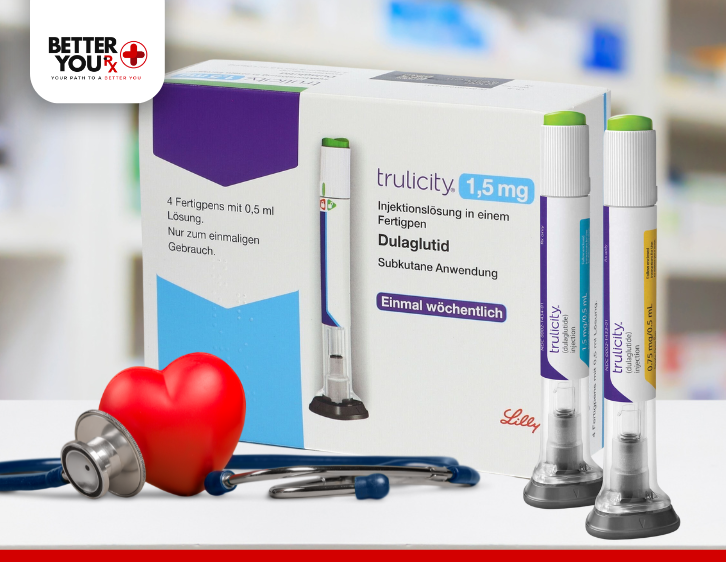 Trulicity, a medication commonly used to treat type 2 diabetes, can have various effects on the heart. While it primarily works to regulate blood sugar levels, it can also impact cardiovascular health in some individuals.
Common Side Effects on the Heart
- One common side effect of Trulicity on the heart is an increased heart rate. Studies have shown that some individuals may experience palpitations or a racing heartbeat while taking this medication.
- Another known side effect is a potential decrease in heart rate variability. This refers to the variation in time intervals between heartbeats, which can be affected by the use of Trulicity.
- In some cases, Trulicity has been associated with an increased risk of heart failure. This is particularly relevant for individuals with pre-existing heart conditions or a history of cardiovascular issues.
Known Risks Associated with Trulicity Use and Heart Health
- Studies have indicated a potential link between Trulicity and an increased risk of cardiovascular events, such as heart attacks or strokes. It is important for healthcare providers to closely monitor patients for any signs of these adverse events.
- Individuals with a history of heart disease or other cardiac issues may be at a higher risk of experiencing negative effects on their heart while taking Trulicity. It is crucial for these patients to discuss their medical history with their healthcare provider before starting this medication.
Clinical Studies on Trulicity and Heart Health
Clinical trials investigating the impact of Trulicity on heart health have provided valuable insights into the potential effects of this medication on cardiovascular outcomes.Key Findings from Clinical Trials
- A study published in the New England Journal of Medicine found that Trulicity reduced the risk of major adverse cardiovascular events, such as heart attack or stroke, in patients with type 2 diabetes and established cardiovascular disease.
- Another trial, known as REWIND, demonstrated that Trulicity lowered the risk of cardiovascular events in patients with type 2 diabetes and multiple cardiovascular risk factors, regardless of their baseline A1C levels.
Correlations Between Trulicity Use and Heart-Related Issues
- While Trulicity has shown benefits in reducing the risk of cardiovascular events, some studies have reported potential side effects such as increased heart rate or heart rhythm irregularities in a small percentage of patients.
- It is essential for healthcare providers to monitor patients closely for any signs of heart-related issues while on Trulicity to ensure early detection and appropriate management.
Comparison of Results from Different Studies
- Overall, the evidence from various clinical trials suggests that Trulicity can offer cardiovascular benefits for patients with type 2 diabetes, particularly those at high risk of heart disease.
- Comparing results from different studies helps paint a comprehensive picture of the overall impact of Trulicity on heart health, guiding healthcare professionals in making informed treatment decisions for their patients.
Mechanisms Behind Trulicity’s Heart-Related Side Effects
Trulicity's impact on the heart is a topic of concern in the medical community due to its potential side effects on cardiovascular health. Understanding the mechanisms through which Trulicity may lead to heart-related issues is crucial for patients and healthcare providers alike.Trulicity, also known as dulaglutide, is a type 2 diabetes medication that belongs to the class of glucagon-like peptide-1 (GLP-1) receptor agonists. While Trulicity is primarily used to lower blood sugar levels in diabetic patients, studies have shown that it may also affect the cardiovascular system in various ways.Interaction with the Cardiovascular System
Trulicity interacts with the cardiovascular system by binding to GLP-1 receptors, which are present in the heart and blood vessels. This binding triggers a cascade of events that can influence heart function and blood flow- Trulicity may increase heart rate: By activating GLP-1 receptors in the heart, Trulicity can stimulate the heart to beat faster, potentially leading to palpitations or irregular heart rhythms.
- Effects on blood vessels: Trulicity's action on blood vessels can cause them to relax or constrict, affecting blood pressure and circulation. This can impact the workload on the heart and overall cardiovascular function.
It is important to monitor heart health closely when using Trulicity, especially in patients with pre-existing cardiovascular conditions.
Biological Processes Contributing to Effects on the Heart
The observed effects of Trulicity on the heart can be attributed to its influence on various biological processes within the cardiovascular system.- GLP-1 receptor activation: Trulicity's binding to GLP-1 receptors in the heart can trigger signaling pathways that alter heart rate, contractility, and blood vessel function.
- Inflammation and oxidative stress: Trulicity may modulate inflammatory responses and oxidative stress levels in the heart, potentially impacting cardiovascular health over time.
- Metabolic effects: By improving glucose metabolism and insulin sensitivity, Trulicity can indirectly affect heart function and cardiovascular risk factors.
Safety Concerns and Precautions for Trulicity Users
 When it comes to using Trulicity, there are specific safety concerns related to heart health that users should be aware of. It is essential for individuals using Trulicity to take certain precautions to mitigate the risks associated with this medication.
Heart Health Monitoring for Trulicity Users
- Regular Heart Check-ups: Trulicity users should schedule regular appointments with their healthcare provider to monitor their heart health. This can help detect any potential issues early on.
- Monitoring Blood Pressure: Since Trulicity can affect blood pressure levels, users should regularly monitor their blood pressure at home and report any significant changes to their doctor.
- Healthy Lifestyle Choices: Adopting a healthy lifestyle by engaging in regular exercise, maintaining a balanced diet, and avoiding smoking can help reduce the risk of heart-related complications while taking Trulicity.
Precautions for Trulicity Users
- Avoiding Alcohol: Alcohol consumption can interact with Trulicity and increase the risk of heart-related side effects. It is advisable for users to limit or avoid alcohol intake.
- Reporting Symptoms: Trulicity users should promptly report any symptoms such as chest pain, shortness of breath, or irregular heartbeat to their healthcare provider. These could be signs of potential heart issues.
- Medication Adherence: It is crucial for Trulicity users to adhere to their prescribed dosage and schedule. Skipping doses or altering the dosage without medical supervision can impact heart health.
Concluding Remarks
In conclusion, the impact of Trulicity on heart health is a complex and vital topic that warrants attention and further research. Understanding the nuances of its effects can help individuals make informed decisions about their health.
General Inquiries
What are the common side effects of Trulicity on the heart?
Common side effects may include palpitations, increased heart rate, and potential risks of heart failure.
Are there any specific precautions for Trulicity users to protect heart health?
It is advisable for users to monitor their heart rate regularly and consult their healthcare provider if they experience any unusual symptoms.
How does Trulicity interact with the cardiovascular system?
Trulicity may affect the cardiovascular system by altering glucose metabolism and potentially impacting heart function.