


Diving into the realm of vinyl siding installation near me, this introduction aims to captivate readers with an intriguing overview of the topic. From the benefits of hiring local contractors to understanding the installation process, this piece sets the stage for an informative journey into the world of vinyl siding.
Detailing the steps involved in the installation process, comparing different siding materials, and budgeting tips offer a comprehensive look at what to expect when considering vinyl siding for your home.
Researching Local Vinyl Siding Installation Services
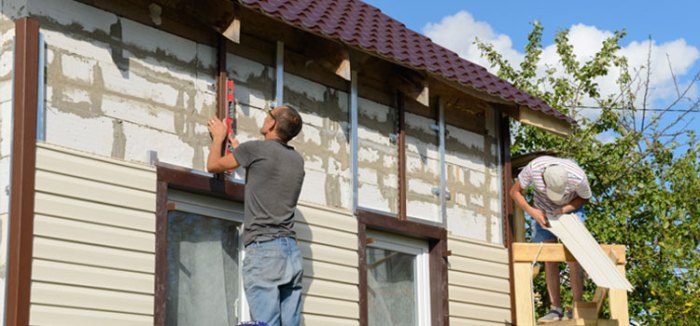
When it comes to getting vinyl siding installed on your home, hiring a local contractor can offer several benefits. Local contractors are often more familiar with the area's specific building codes and regulations, ensuring that your siding installation is done correctly and up to code.
Additionally, local contractors are more likely to provide personalized service and quick response times for any follow-up questions or concerns.
Checking Reviews and References
Before choosing a vinyl siding installation service, it's crucial to check reviews and references. Reading reviews from previous customers can give you insight into the quality of work and customer service provided by the contractor. Likewise, asking for references and following up with them can help you gauge the contractor's reputation and reliability.
- Look for online reviews on platforms like Google, Yelp, or Angie's List.
- Ask the contractor for a list of references and contact them to inquire about their experience.
- Check the contractor's rating with the Better Business Bureau to ensure they have a good standing.
Finding Reputable Vinyl Siding Installers
To find reputable vinyl siding installers in your area, consider the following tips:
- Ask for recommendations from friends, family, or neighbors who have had siding installed recently.
- Research local contractors online and look for certifications or affiliations with industry organizations.
- Request quotes from multiple contractors and compare pricing, services offered, and timelines for completion.
- Ensure the contractor is licensed, bonded, and insured to protect yourself in case of accidents or damages during the installation process.
Understanding Vinyl Siding Installation Process
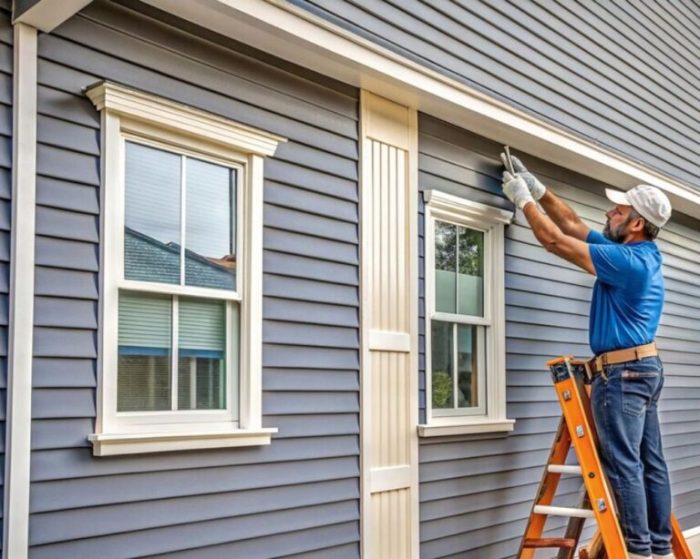
Installing vinyl siding involves several steps to ensure a successful and long-lasting result. Let's break down the process and discuss the tools and materials needed, as well as common challenges that homeowners may face during installation.
Steps in Vinyl Siding Installation
- Prepare the Surface: Clean the exterior walls and repair any damage or rot before starting the installation.
- Measure and Cut: Measure the walls carefully and cut the vinyl siding panels to the appropriate size using a utility knife or vinyl cutter.
- Install Starter Strips: Begin by installing starter strips at the bottom of the wall to provide a base for the first row of siding panels.
- Attach J-Channels: Install J-channels around windows, doors, and corners to provide a finished look and secure the siding panels.
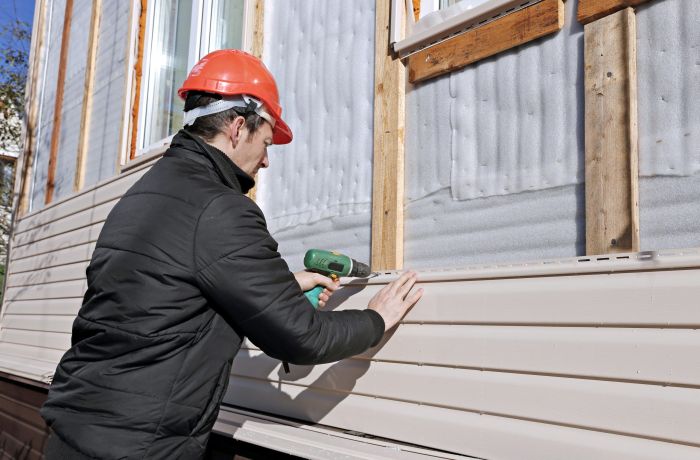
- Hang Siding Panels: Start hanging the siding panels from the bottom up, ensuring they overlap correctly and are securely fastened.
- Add Trim and Accessories: Finish the installation by adding trim pieces, corner posts, and any other accessories for a polished look.
- Clean Up: Remove any excess material and clean the area to complete the installation process.
Tools and Materials Required
- Vinyl Siding Panels
- Starter Strips
- J-Channels
- Utility Knife or Vinyl Cutter
- Nails or Screws
- Level
- Tape Measure
- Caulk and Sealant
Common Challenges in Vinyl Siding Installation
- Incorrect Measurements: Improper measurements can lead to misaligned siding panels and a less-than-perfect finish.
- Warped Panels: Sometimes, vinyl siding panels can become warped, making it difficult to install them smoothly.
- Moisture Issues: Failing to address moisture problems before installation can lead to mold or rot behind the siding.
- Poor Fastening: Inadequate fastening of the siding panels can result in gaps or loose panels that are prone to damage.
- Inexperienced Installation: Lack of experience or knowledge in vinyl siding installation can lead to mistakes and a subpar result.
Comparing Vinyl Siding Materials
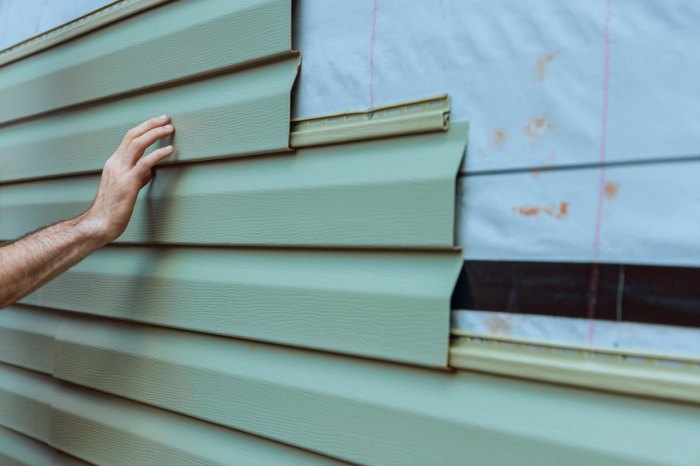
When it comes to choosing vinyl siding materials for your home, it's important to consider the various options available in the market. Each type of vinyl siding comes with its own set of benefits, durability, maintenance requirements, and costs. Let's take a closer look at the different types of vinyl siding materials to help you make an informed decision.
Types of Vinyl Siding Materials
- Traditional Vinyl Siding:
Traditional vinyl siding is the most common type used in residential homes. It is affordable, easy to install, and comes in a wide range of colors and styles. However, it may not be as durable as other types of vinyl siding materials.
- Insulated Vinyl Siding:
Insulated vinyl siding provides additional energy efficiency benefits by adding a layer of foam insulation to the back of the panels. This type of siding can help reduce heating and cooling costs, but it is typically more expensive than traditional vinyl siding
. - Premium Vinyl Siding:
Premium vinyl siding is engineered to be more durable and resistant to fading, warping, and cracking. It often comes with extended warranties and a higher price tag, but it can offer long-term value and curb appeal for your home.
Durability and Maintenance
- Traditional Vinyl Siding:
Requires regular cleaning and maintenance to prevent mold and mildew growth. May be more susceptible to damage from impact or extreme weather conditions.
- Insulated Vinyl Siding:
Offers added protection and durability due to the insulation layer. Requires less maintenance compared to traditional vinyl siding.
- Premium Vinyl Siding:
Known for its exceptional durability and resistance to damage. Requires minimal maintenance and often comes with warranties for peace of mind.
Cost Differences
- Traditional Vinyl Siding:
Generally the most affordable option upfront, but may require more frequent repairs and maintenance over time.
- Insulated Vinyl Siding:
Costs more initially due to the added insulation benefits, but can result in long-term savings on energy bills.
- Premium Vinyl Siding:
Comes at a higher price point, but offers superior durability and often comes with extended warranties, providing value in the long run.
Budgeting for Vinyl Siding Installation
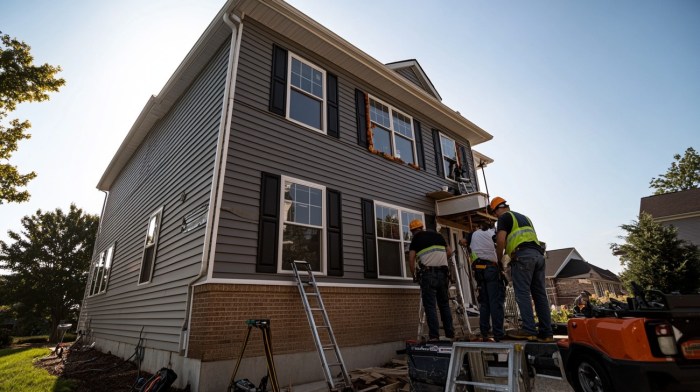
When planning for vinyl siding installation, it's essential to create a budget that covers all the necessary costs. Understanding the breakdown of expenses and implementing cost-saving measures can help you stay within your budget while achieving your desired home improvement goals.
Cost Breakdown of Vinyl Siding Installation
- Materials: The cost of vinyl siding materials can vary based on the quality and style you choose. On average, expect to spend between $2 to $7 per square foot.
- Labor: Hiring professionals for installation can range from $1.50 to $4.50 per square foot, depending on the complexity of the project and your location.
- Permits and Fees: Check with your local authorities for any required permits or inspection fees, which can add to the overall cost.
- Additional Costs: Consider factors like insulation, trim work, removal of old siding, and any unexpected repairs that may arise during installation.
Creating a Budget for Vinyl Siding Installation
- Evaluate your finances: Determine how much you can comfortably allocate towards the project without straining your budget.
- Get multiple quotes: Compare quotes from different vinyl siding installation services to find a competitive price that fits your budget.
- Plan for contingencies: Set aside a buffer amount for unexpected expenses or changes in the project scope to avoid budget overruns.
- Prioritize: Identify essential aspects of the installation that you are unwilling to compromise on and allocate budget accordingly.
Cost-Saving Measures for Vinyl Siding Installation
- DIY where possible: If you have the skills and time, consider handling simple tasks like removing old siding or minor repairs to reduce labor costs.
- Opt for mid-range materials: Choose vinyl siding materials that offer a good balance between quality and cost to stay within budget.
- Bundle services: Some contractors may offer discounts if you combine services like siding installation with other home improvement projects.
- Maintain open communication: Clearly communicate your budget constraints with the installation professionals to explore cost-effective solutions without compromising quality.
Final Wrap-Up
In conclusion, exploring vinyl siding installation near me opens up a world of possibilities for homeowners looking to enhance their properties. By understanding the process, materials, and costs involved, individuals can make informed decisions to transform their homes with durable and cost-effective vinyl siding.
FAQ Corner
What are the benefits of hiring a local contractor for vinyl siding installation?
Hiring a local contractor ensures easy communication, quicker response times, and knowledge of local building codes.
What tools and materials are required for vinyl siding installation?
Common tools include a hammer, nails, a level, and a saw, while materials consist of siding panels, trim pieces, and insulation.
How can homeowners find reputable vinyl siding installers in their area?
Homeowners can ask for recommendations from friends and family, check online reviews, and request references from potential contractors.
What are the cost-saving measures when planning for vinyl siding installation?
Opting for off-season installations, getting multiple quotes, and considering DIY options for certain tasks can help save costs.