


When it comes to addressing loose vinyl siding repair, it's crucial to understand the ins and outs of this common issue. From identifying causes to exploring repair methods, this guide dives deep into the world of vinyl siding repairs, offering invaluable insights and expert tips along the way.
Understanding Loose Vinyl Siding Repair
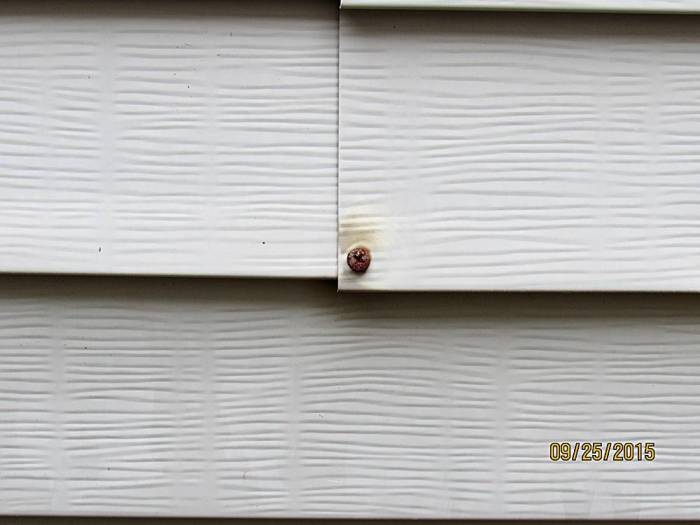
When it comes to maintaining the exterior of your home, addressing loose vinyl siding is crucial to prevent further damage and maintain the aesthetic appeal of your property.
What is Loose Vinyl Siding?
Loose vinyl siding refers to siding panels that have become detached or are no longer securely fastened to the exterior of a building. This can occur due to a variety of reasons, such as age, improper installation, or extreme weather conditions.
Common Causes of Loose Vinyl Siding
- Poor Installation: If the vinyl siding was not properly installed, it is more likely to come loose over time.
- Aging: As vinyl siding gets older, it can become more susceptible to warping and loosening from its original position.
- Extreme Weather: Harsh weather conditions, such as strong winds or hail, can cause vinyl siding to loosen or become damaged.
Importance of Timely Repair
Repairing loose vinyl siding in a timely manner is essential to prevent further issues. If left unrepaired, loose siding can lead to water infiltration, mold growth, and structural damage to your home. By addressing the problem promptly, you can avoid more extensive and costly repairs in the future.
Tools and Materials Needed
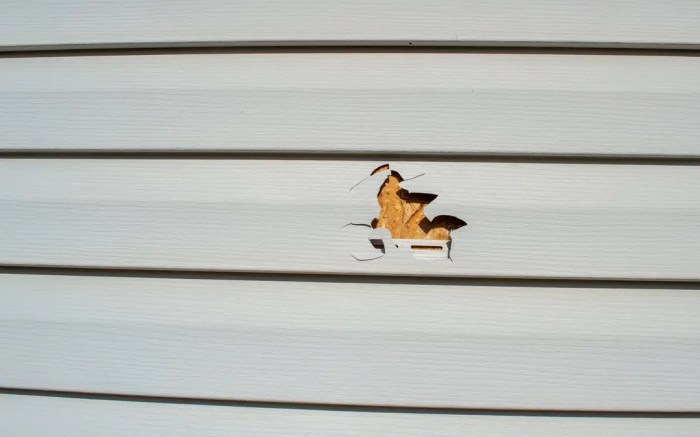
When it comes to repairing loose vinyl siding, having the right tools and materials is essential to ensure a successful repair that will last. Here are the essential items you will need:
Tools
- Siding removal tool or zip tool
- Hammer
- Level
- Tape measure
- Caulk gun
- Utility knife
- Drill with screwdriver bit
Materials
- Replacement siding pieces
- Adhesive or fasteners (nails, screws, or clips)
- Caulk
- Paint (if needed to match existing siding)
- Primer (if required)
- Clean cloth
Adhesives or Fasteners
When it comes to choosing the right adhesive or fastener for fixing loose vinyl siding, there are a few options to consider.
- Adhesive:Some adhesives are specifically designed for vinyl siding repair, providing a strong bond that can withstand weather conditions. Make sure to choose an adhesive that is compatible with vinyl materials.
- Nails:Galvanized nails are a common choice for securing vinyl siding. They are durable and provide a secure hold. Be sure to use nails with a large enough head to prevent the siding from pulling through.
- Screws:Screws can also be used to secure loose vinyl siding. They offer a strong hold and are less likely to pull through the siding compared to nails.
- Clips:Siding clips are another option for securing loose vinyl siding. They provide a secure hold and can be easily installed with a drill.
Preparation Before Repair
Before diving into repairing loose vinyl siding, it is crucial to properly prepare the work area, consider safety measures, and inspect the siding for any underlying issues that may need attention.
Step-by-Step Guide on How to Prepare the Work Area
- Start by clearing any debris or obstructions around the area where the repair will take place.
- Remove any plants, furniture, or other items that might hinder your access to the siding.
- Clean the siding surface using a mild detergent and water to remove dirt, grime, and any other buildup that could affect the repair process.
- Allow the siding to dry completely before proceeding with the repair.
Safety Measures to Consider Before Starting the Repair
- Wear appropriate protective gear, such as gloves and safety glasses, to prevent injuries during the repair process.
- Use a sturdy ladder and make sure it is set on stable ground before climbing up to reach the siding.
- Avoid working on the siding during inclement weather conditions, such as rain or strong winds, to prevent accidents.
- Turn off any electrical power sources near the work area to reduce the risk of electric shocks.
Inspecting the Siding for Underlying Issues
- Check for signs of water damage, such as mold, mildew, or rot, which could indicate leaks or poor drainage.
- Look for gaps, cracks, or holes in the siding that may need to be sealed to prevent further damage.
- Inspect the siding for signs of insect infestation, as pests can cause significant damage to the material over time.
- Ensure that the siding is properly installed and secured to the wall, as loose or missing fasteners can lead to more extensive repairs.
Repair Methods
When it comes to reattaching loose vinyl siding, there are several methods you can use to secure it back in place without causing damage. In cases where the siding is damaged beyond repair, knowing how to replace the damaged pieces is crucial to maintaining the integrity of your home's exterior.
Securing Loose Siding
- Start by gently lifting the loose siding panel to expose the nail strip underneath.
- Insert a zip tool or siding removal tool under the bottom edge of the panel to unlock it from the piece below.
- Once unlocked, push the panel back into place and make sure it is properly aligned with the surrounding panels.
- Use a nail or screw to reattach the panel securely to the wall, making sure not to overdrive the fastener to avoid damaging the siding.
- Repeat the process for any other loose siding panels, ensuring they are all securely fastened.
Replacing Damaged Siding Pieces
- Identify the damaged siding panel and carefully remove it using a zip tool or siding removal tool.
- Measure the dimensions of the damaged panel to ensure the replacement piece fits correctly.
- Slide the new siding panel into place, making sure it interlocks with the adjacent panels properly.
- Secure the new panel in place with nails or screws, taking care not to damage the surrounding siding during installation.
- Finish by checking the replaced panel for proper alignment and ensuring it blends in seamlessly with the rest of the siding.
Finishing Touches and Maintenance
When it comes to finishing touches and maintenance for loose vinyl siding repair, attention to detail is key. Not only does it ensure a professional finish, but it also helps in preventing future issues and maintaining the appearance and durability of the siding.
Professional Finish
- Once the repair is complete, make sure to clean the area thoroughly to remove any dust, debris, or adhesive residue.
- Inspect the repaired section carefully to ensure that it blends seamlessly with the rest of the siding in terms of color and texture.
- Consider using a vinyl siding cleaner to remove any stubborn stains or marks that may detract from the overall appearance.
- Lastly, step back and take a look at the entire repaired section from a distance to check for any imperfections or inconsistencies.
Maintenance Tips
- Regularly inspect the siding for any signs of damage, such as cracks, warping, or loose panels, and address them promptly to prevent further issues.
- Clean the siding at least once a year using a mild detergent and water solution to remove dirt, grime, and mold that can accumulate over time.
- Avoid using harsh chemicals or abrasive tools that can damage the vinyl surface and compromise its integrity.
- Trim back any overhanging branches or foliage that may come into contact with the siding and cause damage or discoloration.
Painting or Sealing Options
- If you want to enhance the appearance of your vinyl siding or provide an extra layer of protection, consider painting it with a high-quality acrylic latex paint specially formulated for vinyl surfaces.
- Ensure that the siding is clean and dry before applying the paint, and follow the manufacturer's instructions for the best results.
- Alternatively, you can opt for a clear sealant to protect the siding from UV rays, moisture, and other environmental factors that can cause premature deterioration.
- Regularly inspect the painted or sealed siding for any signs of peeling, cracking, or fading, and reapply the paint or sealant as needed to maintain its integrity.
Concluding Remarks
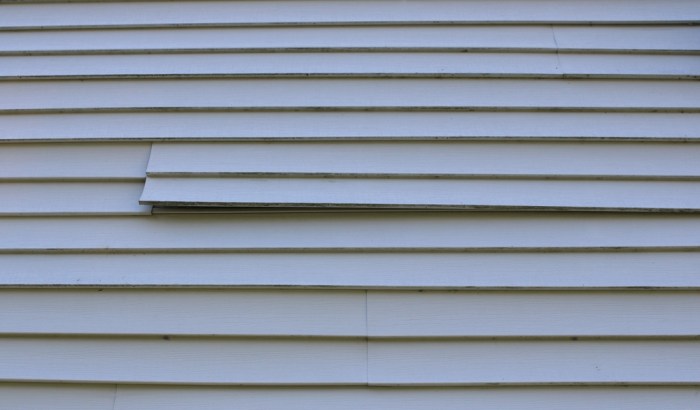
In conclusion, mastering the art of loose vinyl siding repair can save you time, money, and headaches in the long run. By following the steps Artikeld in this guide, you'll be well-equipped to tackle any siding repair challenges that come your way.
Here's to sturdy, well-maintained vinyl siding for years to come!
Expert Answers
What are the common causes of loose vinyl siding?
Common causes include extreme weather conditions, improper installation, and aging of the siding material.
What tools are essential for repairing loose vinyl siding?
Tools like a zip tool, hammer, nails, and a caulking gun are essential for the repair process.
How can I ensure a professional finish after repairing loose vinyl siding?
Applying a fresh coat of paint and regular maintenance can help achieve a professional finish.
Is it necessary to inspect the siding for underlying issues before starting the repair?
Yes, inspecting the siding for any hidden damage is crucial to address potential issues effectively.