


Siding renovation companies play a crucial role in transforming the exterior of homes, providing a fresh look and added protection. This guide delves into the world of siding renovation companies, exploring the key aspects to consider when selecting the right one for your home.
From the types of siding materials to the installation process and cost considerations, this comprehensive overview will equip you with the knowledge needed to make informed decisions for your renovation project.
Types of Siding Materials
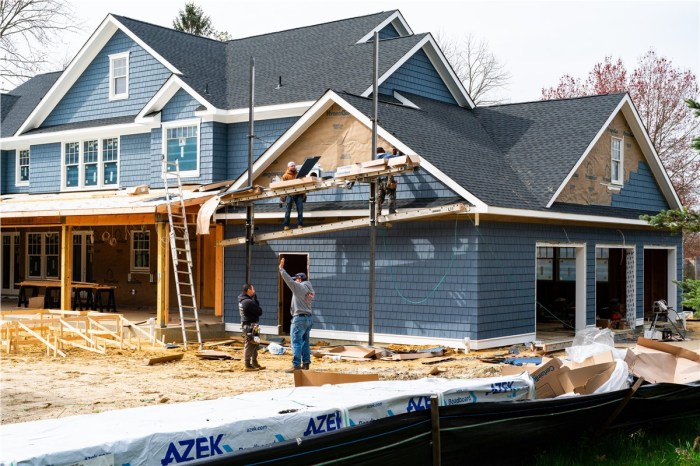
When it comes to renovating your home's exterior, choosing the right siding material is crucial. Different materials offer various benefits and drawbacks, so it's essential to understand the options available.
Vinyl Siding
Vinyl siding is a popular choice due to its affordability and low maintenance requirements. It comes in a variety of colors and styles, making it versatile for different design preferences. However, it may not be as durable as other materials and can crack or fade over time.
Wood Siding
Wood siding provides a natural and timeless look to a home. It can be painted or stained in various colors and offers excellent insulation properties. However, wood siding requires regular maintenance, such as painting and sealing, to prevent rot and pests.
Fiber Cement Siding
Fiber cement siding is known for its durability and resistance to fire, rot, and insects. It can mimic the look of wood or masonry without the high maintenance requirements. While it is more expensive upfront, it can save money in the long run due to its longevity.
Metal Siding
Metal siding, such as aluminum or steel, is durable and low maintenance. It is resistant to rot, pests, and fire, making it a suitable option for harsh climates. However, metal siding can dent or scratch easily, and it may not offer the same aesthetic appeal as other materials.
Choosing the Right Siding for Your Home
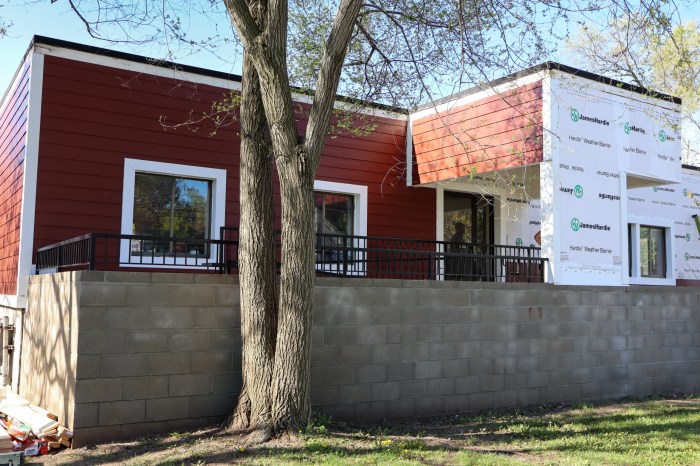
When it comes to selecting siding for your home renovation project, there are several factors to consider. From the architectural style of your home to the climate of your region, each decision plays a crucial role in the overall aesthetics and functionality of your property.
Factors to Consider When Selecting Siding
- Climate: Choose siding materials that can withstand the weather conditions in your area, whether it's extreme heat, cold, or humidity.
- Maintenance: Consider how much time and effort you are willing to invest in maintaining your siding, as some materials require more upkeep than others.
- Budget: Determine your budget for the renovation project and select siding materials that align with your financial resources.
- Durability: Opt for durable siding materials that can withstand wear and tear over time, ensuring longevity and protection for your home.
Matching Siding Materials to Architectural Styles
- Traditional Homes: Brick or wood siding are ideal for traditional homes, adding a classic and timeless look to the property.
- Modern Homes: Metal or vinyl siding can complement the sleek and minimalistic design of modern homes, providing a contemporary aesthetic.
- Craftsman Homes: Fiber cement siding offers a versatile option for craftsman-style homes, combining durability with traditional charm.
Color Options and Aesthetics
- Light Colors: Light-colored siding can make a home appear larger and more inviting, perfect for smaller properties or homes in need of a visual expansion.
- Dark Colors: Dark-colored siding exudes elegance and sophistication, ideal for creating a bold statement or highlighting architectural details.
- Neutral Colors: Neutral tones like beige or gray offer a versatile and timeless appeal, blending seamlessly with various architectural styles and color schemes.
Siding Installation Process
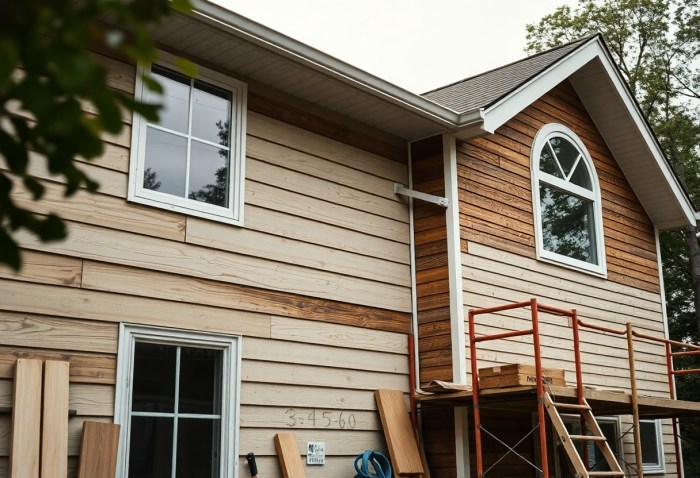
Installing new siding involves several steps to ensure a successful renovation. Let's delve into the details of the installation process, the tools and equipment needed, common challenges, and how to overcome them.
Steps for Siding Installation
- Prepare the surface: Make sure the exterior walls are clean, dry, and free of any debris before starting the installation.
- Measure and cut siding: Take accurate measurements of the walls and cut the siding panels to fit perfectly.
- Install corner posts and J-channels: These components help secure the siding panels and provide a clean finish at corners and edges.
- Begin installing siding: Start at one corner of the house and work your way horizontally, ensuring each panel is level and properly aligned.
- Secure siding panels: Use nails or screws to attach the siding panels to the exterior walls, making sure they are securely fastened.
- Finish with trim and accessories: Complete the installation by adding trim pieces, soffits, fascia, and any other accessories for a polished look.
Tools and Equipment Needed
- Hammer or nail gun: To secure siding panels to the walls.
- Tape measure: For accurate measurements and cuts.
- Saw: To cut siding panels to the desired length.
- Level: To ensure panels are installed straight and level.
- Caulk gun: For sealing gaps and joints between siding panels.
- Siding removal tool: To safely remove old siding if necessary.
Common Challenges and Solutions
- Uneven walls: Use furring strips to create a flat surface for siding installation.
- Mismatched seams: Pay close attention to alignment and overlap to avoid visible seams.
- Moisture issues: Properly seal joints and edges to prevent water infiltration behind the siding.
- Incorrect fastening: Ensure panels are securely fastened to prevent warping or sagging over time.
Cost Considerations for Siding Renovation
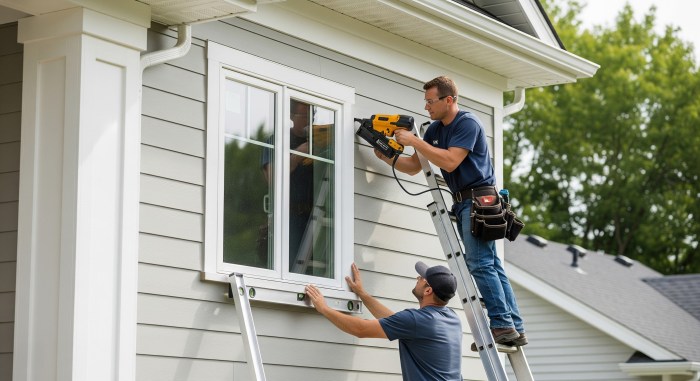
When planning a siding renovation project, it is crucial to consider the costs involved to ensure that you stay within budget while achieving the desired results. Understanding the typical costs associated with siding renovation and implementing effective budgeting strategies can help you manage expenses and make informed decisions throughout the project.
Breakdown of Typical Costs
- Cost of Materials: This includes the price of the siding material itself, which can vary depending on the type and quality chosen.
- Labor Costs: Hiring professionals for the installation process will incur labor costs, which can vary based on the complexity of the project and the contractor's rates.
- Permit Fees: Depending on your location, you may need to obtain permits for the siding renovation, which can add to the overall cost.
- Additional Supplies: Other supplies such as nails, sealants, and flashing may be needed, contributing to the total cost.
Effective Budgeting Strategies
- Get Multiple Quotes: Obtain quotes from different contractors to compare prices and services, ensuring that you get the best value for your money.
- Plan Ahead: Proper planning and scheduling can help avoid unexpected costs and delays, allowing for a smoother renovation process.
- Consider Long-Term Savings: Investing in high-quality, durable siding may have a higher upfront cost but can save money in the long run by reducing maintenance and replacement expenses.
Cost-Saving Measures
- DIY Certain Tasks: If you have the skills and tools, consider handling some aspects of the project yourself to save on labor costs.
- Choose Cost-Effective Materials: Opt for siding materials that offer a good balance of quality and price, ensuring durability without overspending.
- Maintain Existing Structure: If possible, reuse or repair parts of the existing siding to reduce the need for complete replacement, saving on material and labor costs.
Last Word
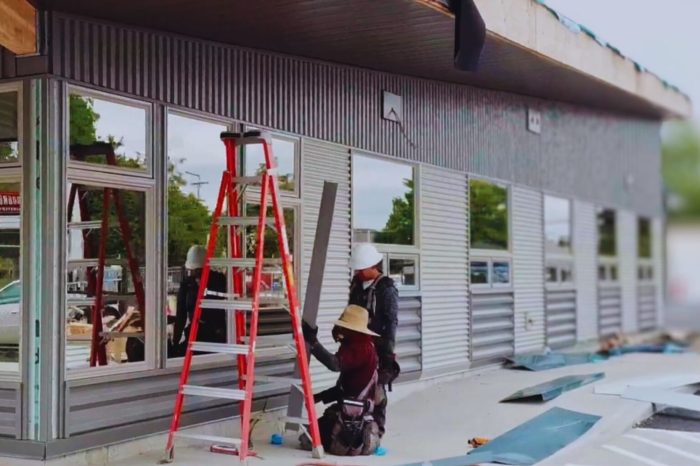
In conclusion, siding renovation companies offer a range of services to enhance the curb appeal and functionality of your home. By understanding the various factors involved in the renovation process, you can confidently choose the best siding renovation company to bring your vision to life.
Helpful Answers
What factors should I consider when choosing a siding renovation company?
Consider their experience, reputation, pricing, and the quality of materials they use.
How long does the siding installation process usually take?
The timeline can vary depending on the size of your home and the complexity of the project, but it typically takes a few days to a few weeks.
Are there eco-friendly siding material options available for renovation projects?
Yes, materials like fiber cement and reclaimed wood offer sustainable and environmentally friendly choices for siding renovations.