


When it comes to dealing with cracked vinyl siding repair, homeowners often face a common yet challenging issue. Understanding the causes, assessing the damage, exploring repair methods, and implementing prevention strategies are crucial steps in maintaining the integrity of your home's exterior.
Let's dive into the world of cracked vinyl siding repair and unravel the solutions that can help you restore your home's appearance and functionality.
Understanding Cracked Vinyl Siding
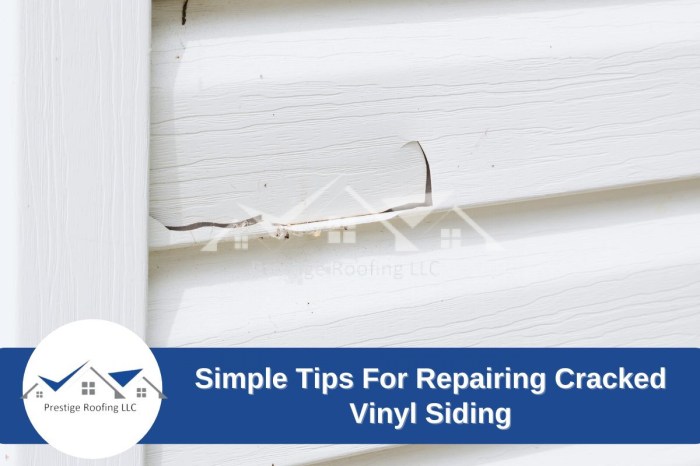
Vinyl siding can crack due to various reasons, including age, impact from objects, improper installation, or extreme weather conditions. These cracks can lead to water infiltration, mold growth, and reduced energy efficiency in a home.
Common Areas for Cracks
- Edges of the siding panels
- Around window and door frames
- Areas exposed to direct sunlight
- At the corners of the siding
Impact of Weather Conditions
Weather conditions such as extreme heat, cold, or fluctuations in temperature can cause vinyl siding to expand and contract. This constant movement can weaken the material over time, making it more prone to cracking. Additionally, hail, strong winds, or heavy rain can also contribute to the formation of cracks on vinyl siding.
Assessing the Damage
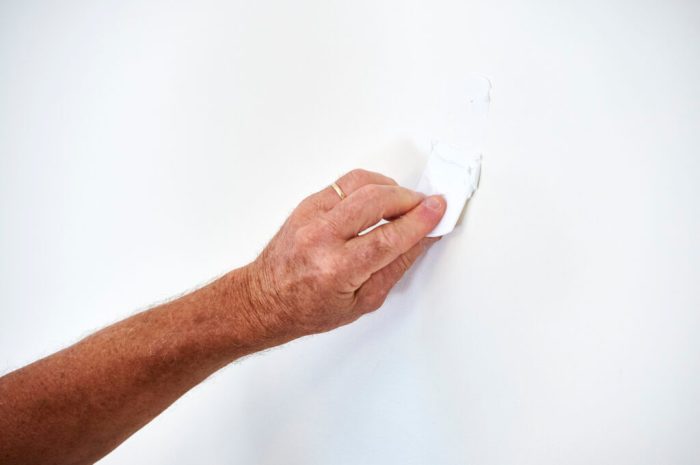
When it comes to repairing cracked vinyl siding, the first step is to assess the extent of the damage to determine the best course of action.Identifying the severity of the cracks in your vinyl siding is crucial before proceeding with any repairs.
This step allows you to understand the underlying issues and plan the most effective solution. Ignoring or overlooking the damage can lead to more significant problems down the line, impacting the structural integrity of your home and potentially causing water damage or mold growth.
Step-by-Step Guide to Inspect Cracked Vinyl Siding
- Start by visually examining the exterior of your home for any visible cracks or damage to the vinyl siding.
- Closely inspect the areas where cracks are present, checking for any signs of moisture penetration or warping.
- Gently press on the cracked areas to assess the extent of the damage and determine if the crack is superficial or goes deeper into the siding.
- If possible, remove a small section of the cracked siding to inspect the condition of the underlying structure and insulation.
Potential Risks of Leaving Cracked Vinyl Siding Unrepaired
- Water Infiltration: Cracks in the vinyl siding can allow water to seep behind the panels, leading to water damage, mold growth, and structural issues.
- Pest Infestation: Small cracks in the siding can provide entry points for insects and rodents, causing further damage and potentially posing health risks.
- Deterioration of Insulation: Moisture entering through cracks in the siding can compromise the insulation of your home, reducing energy efficiency and increasing utility bills.
Repair Methods
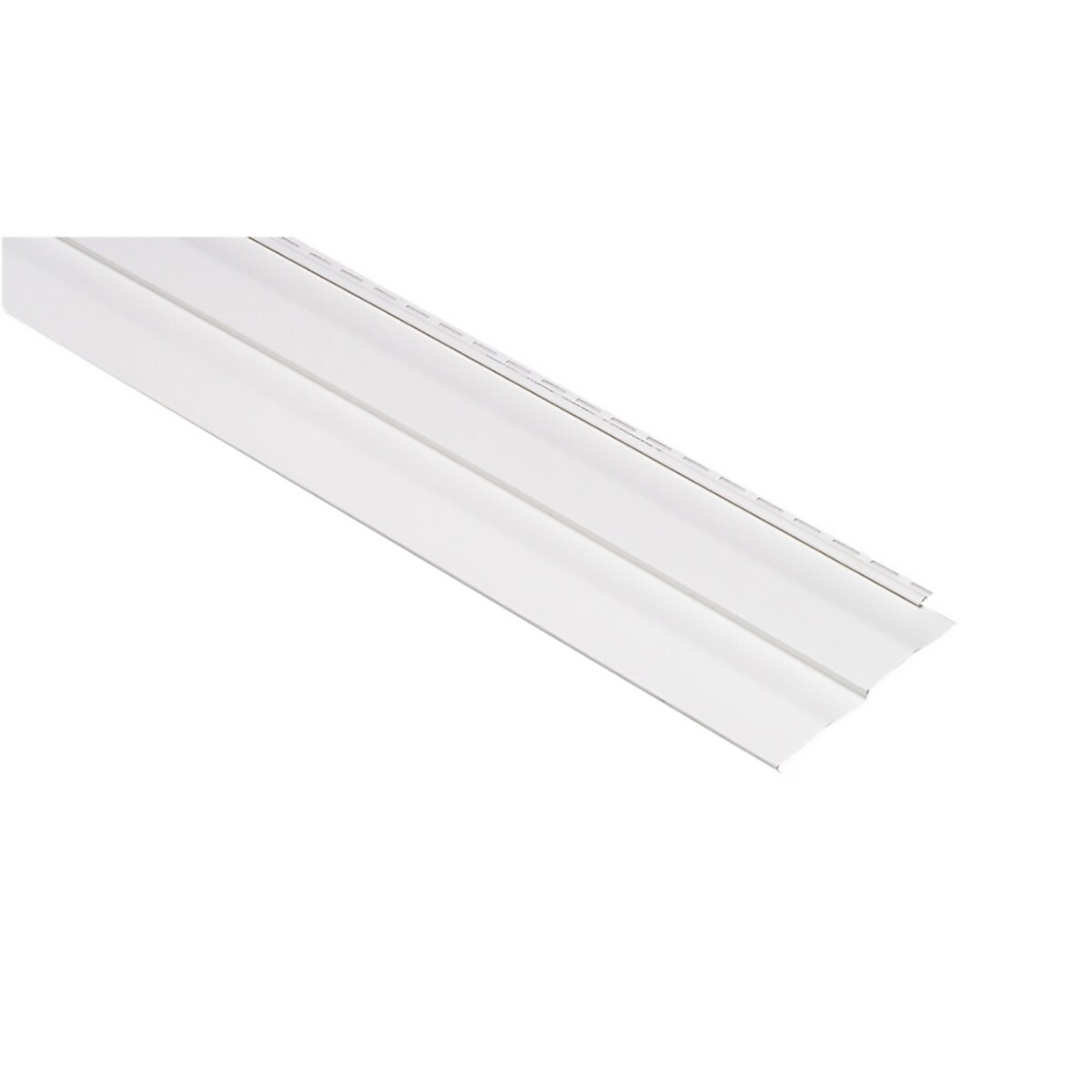
When it comes to repairing cracked vinyl siding, there are various techniques that can be used to restore the appearance and functionality of your exterior. Whether you choose to tackle the repair yourself or hire a professional, it's important to understand the different methods available and the tools and materials needed for the job.
DIY Repair Options
If you're considering a do-it-yourself approach to repairing cracked vinyl siding, there are a few options to choose from. One common method is to use a vinyl siding repair kit, which typically includes adhesive or filler material that can be used to patch up the cracks.
Another DIY option is to replace the damaged section of siding with a new piece, which may require some basic tools and skills.
Professional Repair Services
On the other hand, hiring a professional to repair cracked vinyl siding can ensure a more thorough and long-lasting fix. Professionals may use specialized tools and techniques to seamlessly repair the damage, providing a seamless finish that blends in with the rest of your siding.
While this option may be more costly, it can save time and effort in the long run.
Tools and Materials Needed
- Vinyl siding repair kit
- Adhesive or filler material
- New piece of vinyl siding (if replacing a section)
- Utility knife
- Caulk gun
- Heat gun (for professional repairs)
Prevention and Maintenance
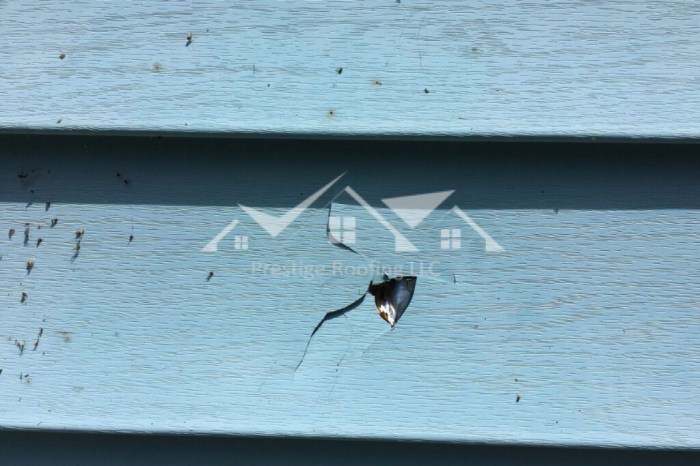
Vinyl siding is a durable and low-maintenance option for your home's exterior, but it still requires some care to prevent cracks and ensure longevity. By following some simple prevention and maintenance tips, you can keep your vinyl siding in top condition for years to come.
Preventing Cracks
- Ensure proper installation: One of the best ways to prevent cracks in vinyl siding is to make sure it is installed correctly. Hiring a professional installer can help ensure that the siding is secured properly and can withstand the elements.
- Protect from impact: Be mindful of activities around your home that could potentially damage the siding, such as playing sports or using lawn equipment near the house. Taking precautions to avoid impact can help prevent cracks from forming.
- Maintain a safe distance: Keep heat sources, such as grills or fire pits, at a safe distance from the siding to prevent warping or melting that could lead to cracks.
Regular Maintenance Practices
- Clean regularly: Dirt, mold, and mildew can build up on vinyl siding over time, leading to damage. Regularly cleaning the siding with a mild detergent and water can help prevent this buildup and prolong its lifespan.
- Inspect for damage: Periodically inspect the siding for any signs of cracking, warping, or loose panels. Addressing these issues promptly can prevent further damage and costly repairs down the line.
- Trim vegetation: Overgrown bushes, trees, or vines can rub against the siding and cause damage. Trim back vegetation to maintain a safe distance from the siding and prevent cracks.
Proper Installation Importance
- Proper installation is key: Ensuring that your vinyl siding is installed correctly can significantly reduce the likelihood of cracks forming. This includes using the right materials, securing the panels properly, and following manufacturer guidelines.
- Hire a professional: If you're not confident in your DIY skills, it's best to hire a professional to install your vinyl siding. They have the expertise and experience to ensure the job is done right the first time, minimizing the risk of cracks and other issues.
- Follow maintenance guidelines: Even with proper installation, regular maintenance is essential to keep your vinyl siding in top condition. Following the manufacturer's maintenance guidelines can help prevent cracks and extend the lifespan of your siding.
Final Wrap-Up
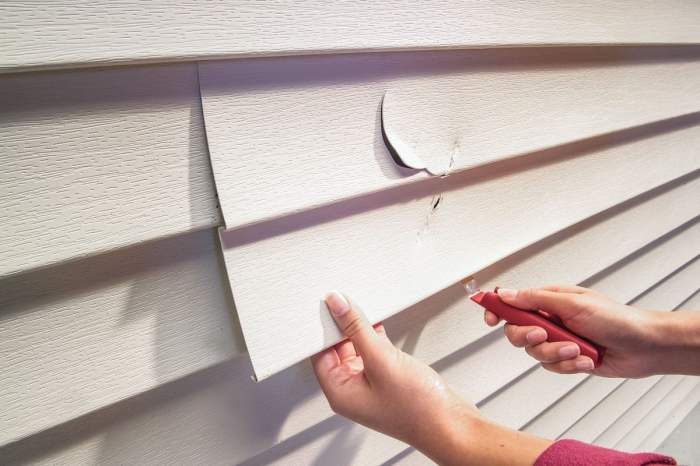
In conclusion, cracked vinyl siding repair is a task that requires attention to detail and timely action to prevent further damage. By following the Artikeld steps and tips, you can ensure the longevity of your vinyl siding and keep your home looking its best.
Don't let cracked siding dampen your curb appeal - take charge and restore your home's beauty today.
Questions and Answers
What are the common areas where cracks tend to occur on vinyl siding?
Cracks often occur near areas with high exposure to sunlight and where the siding is under stress, such as corners and edges.
What tools and materials are needed for repairing cracked vinyl siding?
You may need a utility knife, replacement siding panels, caulk, a pry bar, and a hammer for repairing cracked vinyl siding.
How can proper installation reduce the likelihood of cracked vinyl siding?
Proper installation ensures that the siding is securely fastened and allows for expansion and contraction, reducing the chances of cracks forming.