


Collaborating Physician Licensing Requirements by State sets the stage for this enthralling narrative, offering readers a glimpse into a story that is rich in detail and brimming with originality. The regulations and criteria for physician collaboration vary across states, shaping the landscape of healthcare practices nationwide.
As we delve deeper into the intricacies of collaborating physician licensing requirements by state, we uncover a tapestry of educational prerequisites, application processes, and maintenance procedures that underpin the foundation of this vital aspect of healthcare.
Overview of Collaborating Physician Licensing Requirements
Collaborating physician licensing requirements are regulations that healthcare practitioners must adhere to in order to practice medicine in partnership with another licensed physician. These requirements are crucial for ensuring the quality and safety of patient care, as well as maintaining the standards of the medical profession.Key Factors Influencing Licensing Requirements
- State Regulations: Each state has its own set of rules and regulations governing the collaboration between physicians. These regulations can vary significantly from state to state.
- Scope of Practice: The specific scope of practice for healthcare practitioners, including nurse practitioners and physician assistants, can impact the requirements for collaborating physicians.
- Supervision Requirements: Some states may have specific supervision requirements in place for collaborating physicians, outlining the level of oversight needed in the collaborative relationship.
- Collaborative Agreement: In many states, healthcare practitioners are required to have a formal collaborative agreement with a licensed physician in order to practice independently.
Variations in Licensing Requirements Across States
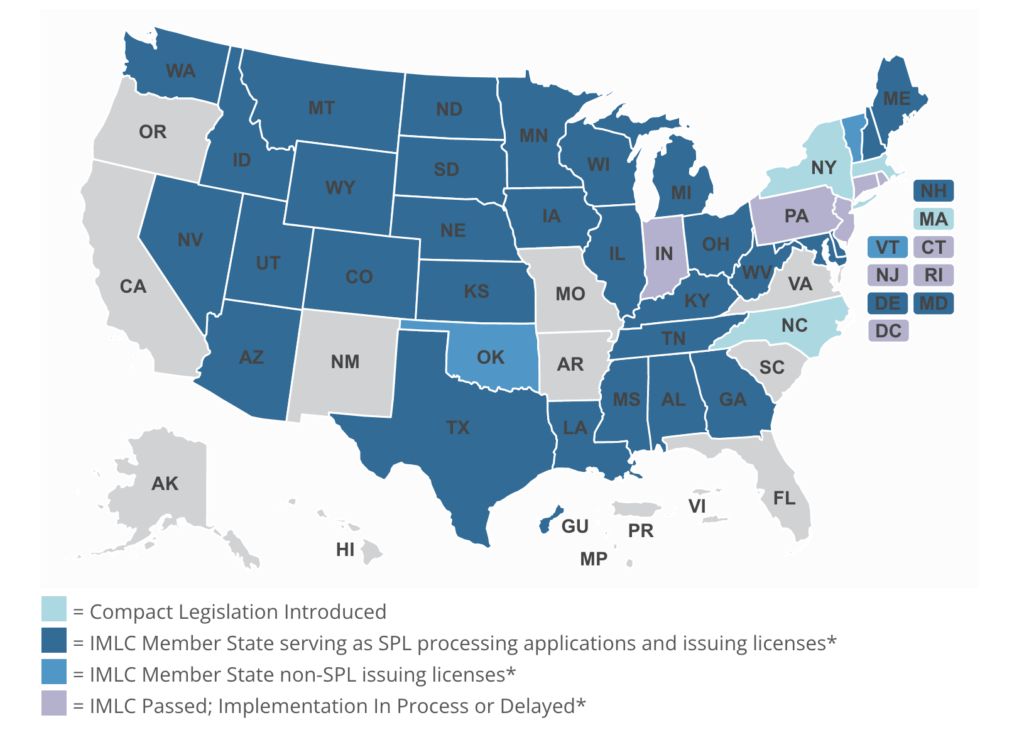
Collaborating physician licensing requirements can vary significantly from state to state, impacting healthcare practices and the ability of healthcare providers to work across different regions.
Comparison of Licensing Requirements
When comparing collaborating physician licensing requirements across states, some states may have more stringent regulations in place compared to others. For example, states like New York and California are known for having rigorous licensing requirements for collaborating physicians, which may include specific education and training criteria, as well as strict supervision guidelines.
Impact on Healthcare Practices
The variations in state licensing requirements can have a direct impact on healthcare practices, as they can affect the ability of healthcare providers to collaborate with other professionals and deliver optimal patient care. Healthcare organizations operating in multiple states may face challenges in ensuring compliance with different sets of regulations, leading to potential barriers in providing consistent care across different regions.
Educational and Training Requirements
Collaborating physicians in different states are required to meet specific educational and training criteria to ensure they are qualified to provide quality care and prioritize patient safety. These requirements vary across states and are designed to uphold high standards in medical practice.Educational Background
- Physicians must hold a Doctor of Medicine (MD) or Doctor of Osteopathic Medicine (DO) degree from an accredited medical school.
- Completion of a residency program in a specialized field is often mandatory to demonstrate expertise in a particular area of medicine.
Training Requirements
- Physicians may need to undergo specific training in the state's laws and regulations regarding collaborative practice agreements.
- Continuing medical education (CME) credits related to collaboration and team-based care may be required to stay updated on best practices.
Ensuring Quality Care and Patient Safety
By setting educational and training standards, states aim to ensure that collaborating physicians are competent, knowledgeable, and capable of providing high-quality care to patients. These requirements also help in enhancing communication and coordination among healthcare providers, ultimately benefiting patient outcomes and safety.
Recent Changes or Updates
- Some states have implemented new educational criteria, such as additional training in telemedicine or cultural competency, to address evolving healthcare needs.
- Updates in licensing requirements may include a focus on interprofessional collaboration to promote a team-based approach to patient care.
Application Process and Documentation
When applying for a collaborating physician license, physicians must follow a specific step-by-step process and provide the necessary documentation to support their application. Streamlining this process can help expedite the licensing procedure and ensure all requirements are met efficiently.Step-by-Step Application Process
- Research: Begin by researching the specific requirements for collaborating physician licensing in your state.
- Complete Application: Fill out the application form accurately and thoroughly, ensuring all sections are completed.
- Submit Documentation: Gather all required documentation, such as proof of education, training, and any additional certifications.
- Background Check: Be prepared to undergo a background check as part of the application process.
- Pay Fees: Submit the required application fees along with your application.
- Review and Wait: After submitting your application, allow time for review and processing by the licensing board.
- Approval: Once your application is approved, you will receive your collaborating physician license.
Documentation Needed for Application
- Educational Certificates: Copies of medical degrees and any relevant certifications.
- Training Documentation: Proof of completion of any required training programs or residencies.
- Licensing Information: Details of your current medical license and any past licenses held.
- Professional References: Letters of recommendation from colleagues or supervisors.
- Background Check Results: Documentation showing clearance from a criminal background check.
Tips for Streamlining the Application Process
- Organize Your Documents: Keep all required documentation in one place to easily access when needed.
- Follow Instructions Carefully: Ensure you understand all requirements and provide accurate information in your application.
- Submit Early: Avoid waiting until the last minute to submit your application to allow for any unexpected delays.
- Communicate Clearly: If you have any questions or need assistance, reach out to the licensing board for guidance.
Renewal and Maintenance of Collaborating Physician Licenses
After obtaining a collaborating physician license, it is crucial to understand the renewal process and requirements to maintain the license. Failure to renew or uphold the necessary standards may result in consequences that can impact your ability to practice.
Renewal Process for Collaborating Physician Licenses
Renewal processes for collaborating physician licenses vary across states. In general, physicians are typically required to submit an application for renewal within a certain timeframe before their current license expires. This application may involve providing updated information, proof of continuing education, and payment of renewal fees.
Continuing Education Requirements
- Physicians holding collaborating licenses are often required to complete a certain number of continuing education credits to maintain their license. These credits may need to be completed within a specific timeframe, and they can cover a range of medical topics to ensure physicians stay updated on the latest advancements in their field.
- Continuing education requirements may vary by state, so it is essential to familiarize yourself with the specific requirements in your jurisdiction to avoid any issues with license maintenance.
Consequences of Failing to Renew or Maintain a Collaborating Physician License
Failure to renew or maintain a collaborating physician license can have serious ramifications. Physicians may face penalties, fines, or even suspension of their license if they do not adhere to renewal requirements or meet continuing education standards. In some cases, practicing without a valid license can result in legal consequences and jeopardize a physician's career.
Epilogue
In conclusion, the journey through the labyrinth of Collaborating Physician Licensing Requirements by State has illuminated the nuances and challenges faced by healthcare practitioners. By understanding the diverse landscape of licensing regulations, physicians can navigate the complexities of collaboration with confidence and expertise.
Answers to Common Questions
What are the typical educational requirements for collaborating physicians?
Collaborating physicians are usually required to have completed medical school and residency training in their specialty.
How do state licensing requirements affect healthcare practices?
Variations in state licensing requirements can impact the scope of practice for healthcare providers and influence patient care standards.
What happens if a collaborating physician fails to renew their license?
Failure to renew a collaborating physician license can result in suspension of practice and potential legal consequences.