


When it comes to the success of any commercial construction project, the role of commercial siding contractors cannot be underestimated. These professionals play a crucial part in enhancing the aesthetic appeal, functionality, and durability of commercial buildings. From selecting the right materials to expertly installing them, commercial siding contractors ensure that your project stands out in the competitive market.
Dive into the world of commercial siding contractors to discover their significance and impact on the construction industry.
Overview of Commercial Siding Contractors
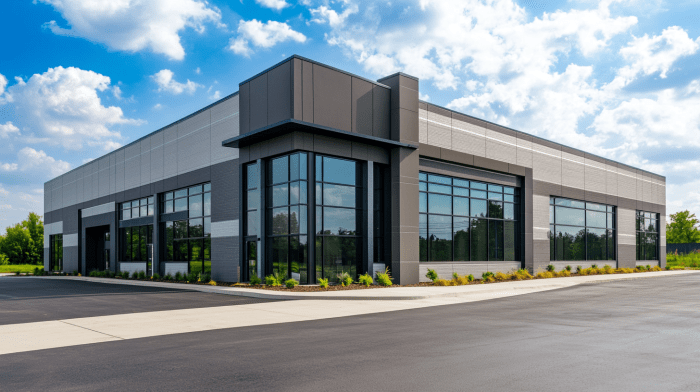
Commercial siding contractors play a crucial role in the construction industry by providing expertise in installing, repairing, and maintaining the exterior siding of commercial buildings. Their work not only enhances the aesthetics of a structure but also ensures its durability and protection against the elements.
Types of Services Offered
- Installation of various types of siding materials such as vinyl, wood, metal, and fiber cement.
- Repairing damaged siding due to weather, age, or accidents to restore the building's integrity.
- Regular maintenance services to keep the siding in optimal condition and prevent future issues.
- Consultation and recommendation of the most suitable siding options based on the building's design and requirements.
Examples of Essential Projects
- Renovation of an office building requiring updated and modern siding to attract tenants and improve energy efficiency.
- Construction of a new retail complex where the choice of durable and visually appealing siding is crucial for attracting customers.
- Restoration of a historic landmark using specialized skills to preserve the building's original character while enhancing its longevity.
Qualifications and Skills
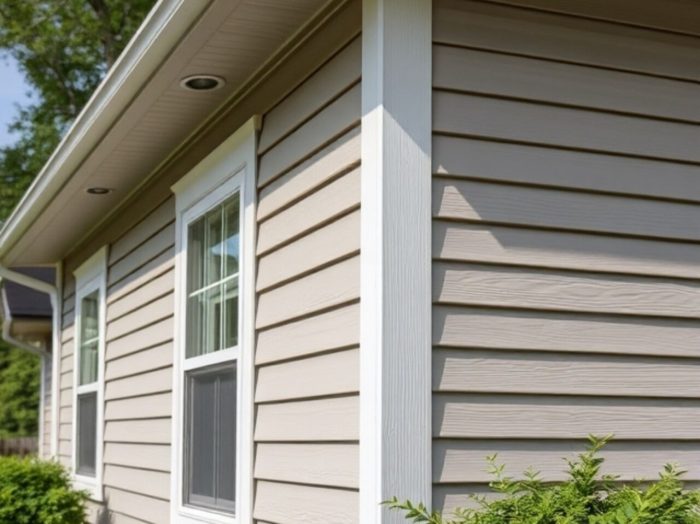
To become a successful commercial siding contractor, individuals need to possess a specific set of qualifications and skills. These requirements are crucial in ensuring the quality and efficiency of the work performed.
Necessary Qualifications and Certifications
- Completion of a high school diploma or equivalent is typically required.
- Obtaining relevant certifications such as the Vinyl Siding Institute (VSI) certification can enhance credibility and expertise.
- Some states may require licensing for commercial siding contractors, so it's essential to check local regulations.
Key Skills for Success
- Attention to detail: Precision is vital in siding installation to ensure a seamless finish.
- Physical endurance: The job involves manual labor and working in various weather conditions, requiring stamina.
- Problem-solving abilities: Being able to troubleshoot issues and find solutions on the spot is essential.
- Communication skills: Interacting with clients, suppliers, and team members necessitates clear and effective communication.
Comparison with Residential Siding Contractors
Commercial siding contractors often work on larger-scale projects that require a higher level of expertise and coordination. They may need to adhere to stricter building codes and regulations compared to residential contractors. Additionally, commercial projects may involve collaborating with architects, engineers, and other professionals, requiring strong teamwork and project management skills.
Materials and Techniques
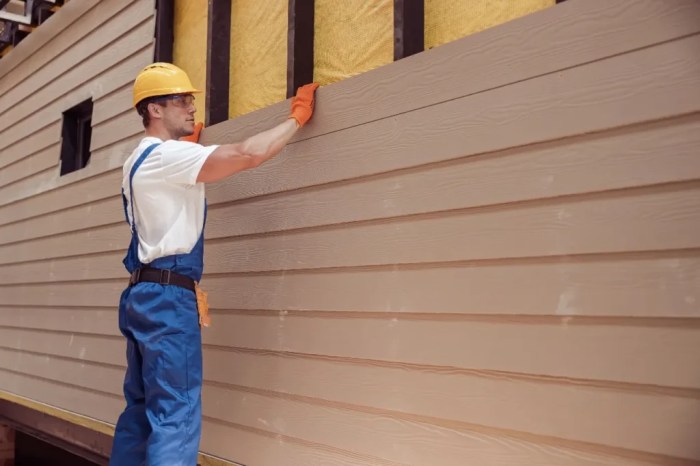
When it comes to commercial siding, contractors utilize a variety of materials and techniques to ensure durability and aesthetic appeal for the building. Let's explore some common materials and techniques used in the commercial siding industry.
Common Materials Used
- Vinyl: Known for its affordability, versatility, and low maintenance requirements.
- Fiber Cement: Durable, fire-resistant, and can mimic the look of wood, stone, or stucco.
- Metal: Offers high durability, weather resistance, and can be customized for a modern look.
- Wood: Provides a classic, natural appearance but requires more maintenance to prevent rot and insect damage.
Techniques Employed
- Horizontal Lap: A traditional method where siding boards overlap horizontally for a classic look.
- Vertical Panel: Panels are installed vertically to create a modern and sleek appearance.
- Shingle Style: Mimicking the look of cedar shingles, this technique adds texture and depth to the building's exterior.
- Architectural Panels: Large prefabricated panels that offer a seamless and contemporary finish.
Innovative Materials and Techniques
- Composite Siding: Blends of materials like wood fibers and resin to create a highly durable and low-maintenance option.
- Advanced Insulation: Siding materials with integrated insulation to improve energy efficiency and reduce heating and cooling costs.
- 3D Printing: Emerging technology that allows for custom-designed siding panels to be created with intricate patterns and textures.
Safety Regulations and Compliance
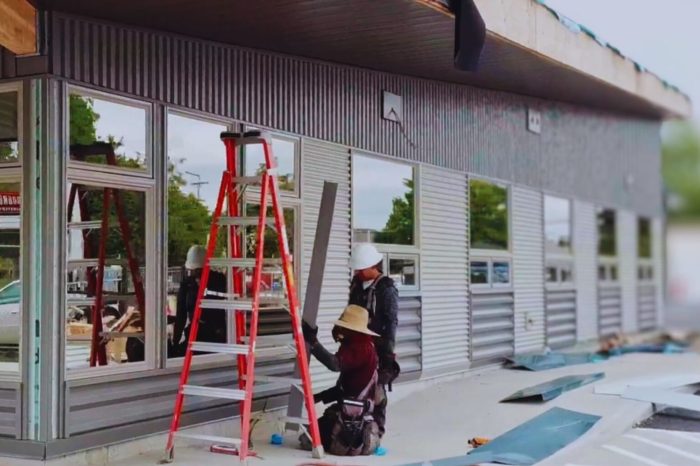
In the construction industry, safety regulations are of utmost importance, especially for commercial siding contractors. Adhering to these regulations not only ensures the safety of workers but also contributes to the successful completion of projects.
Importance of Compliance with Building Codes
Commercial siding contractors must comply with building codes and regulations set forth by local authorities. These codes are in place to ensure the structural integrity of buildings and the safety of occupants. Failure to comply can result in fines, delays in project completion, or even legal consequences.
- Ensure proper installation techniques are followed to meet code requirements.
- Regular inspections to confirm compliance with regulations.
- Use of approved materials that meet safety standards.
Best Practices for Maintaining a Safe Work Environment
Creating a safe work environment is essential for commercial siding contractors to prevent accidents and injuries. It is crucial to prioritize safety at all times during project execution.
- Provide proper training for workers on safety protocols and procedures.
- Use personal protective equipment (PPE) such as helmets, gloves, and safety harnesses.
- Implement a safety plan that includes emergency procedures and protocols.
- Regularly conduct safety meetings to address any concerns and reinforce best practices.
End of Discussion
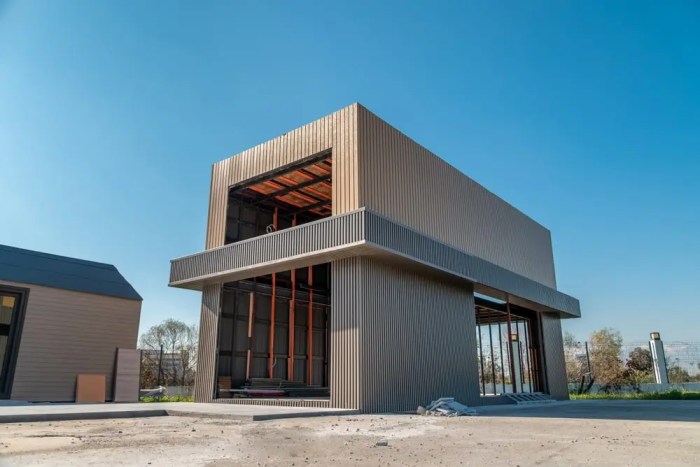
In conclusion, commercial siding contractors are the unsung heroes of the construction world, bringing life and character to commercial buildings. Their expertise, skills, and attention to detail are what differentiate an ordinary building from an extraordinary one. By choosing the right commercial siding contractors, you are investing in the success and longevity of your commercial project.
Trust in their abilities, and watch your vision come to life with stunning results.
FAQ Insights
What qualifications are required to become a commercial siding contractor?
Commercial siding contractors typically need a combination of relevant certifications, experience, and knowledge of construction techniques to excel in their field.
Are there specific safety regulations that commercial siding contractors must follow?
Yes, commercial siding contractors are required to adhere to safety regulations set by OSHA and other governing bodies to ensure a safe work environment.
How do commercial siding contractors differ from residential siding contractors in terms of skills?
While both require expertise in siding installation, commercial siding contractors often deal with larger-scale projects and may need more advanced skills in project management and coordination.