


Exploring the realm of labor costs for vinyl siding opens up a world of variables and considerations that shape the final expenses of a project. From the size of the undertaking to the intricacies of design, each element plays a crucial role in determining the overall labor cost.
Let's delve into the nuances of labor expenses for vinyl siding and uncover ways to navigate this aspect of home improvement with finesse.
As we embark on this exploration, we will dissect the intricacies of labor costs, shedding light on the various factors that come into play when estimating expenses for vinyl siding installation.
Factors influencing labor cost for vinyl siding
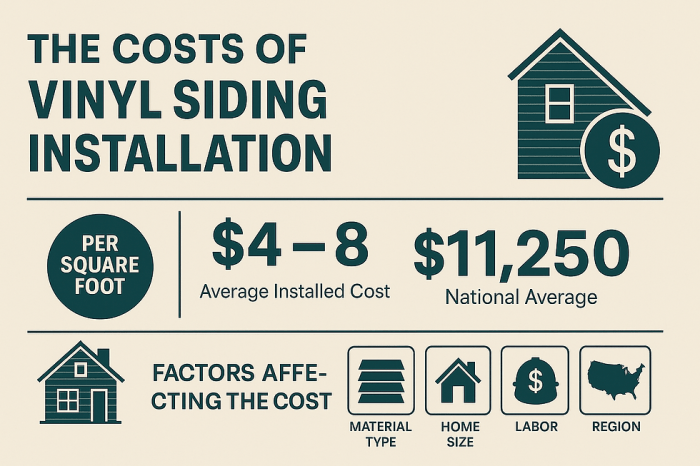
The labor cost for vinyl siding installation can vary based on several factors that impact the overall expenses.
Size of the project
The size of the project plays a significant role in determining labor costs. Larger projects generally require more time and manpower, leading to higher labor expenses.
Complexity of the design
Projects with intricate designs or unique features can increase the complexity of the installation process. This complexity can result in additional time and effort required from the laborers, ultimately raising the labor costs.
Location of the property
The location of the property can also influence labor costs for vinyl siding installation. Properties in remote areas or with difficult accessibility may require more resources to transport materials and laborers, impacting the overall cost.
Additional factors
- The condition of the existing siding, as it may require extra preparation or removal before installing vinyl siding.
- Special equipment or tools needed for the installation process.
- Labour rates in the specific region or market conditions.
- Seasonal factors that may affect the availability of labor or impact the scheduling of the project.
Determining labor costs for vinyl siding
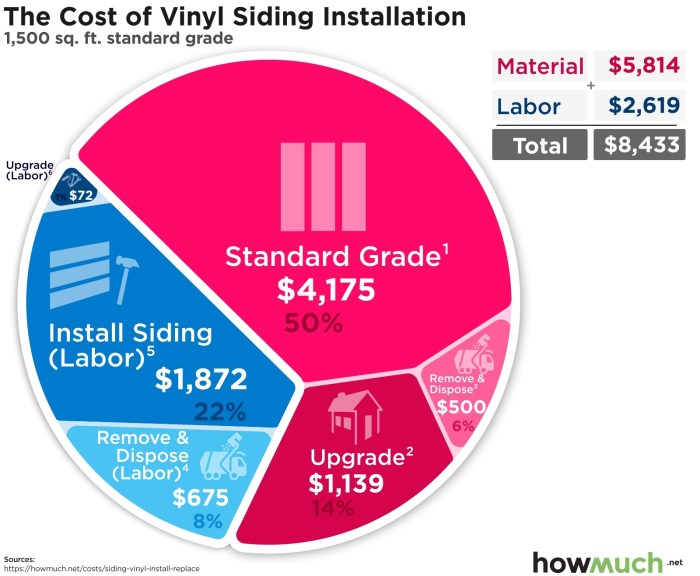
Determining labor costs for vinyl siding involves a variety of factors that contribute to the overall price of installation. Let's delve into the typical components that make up the labor cost for vinyl siding, how labor rates are calculated in the industry, the role of experience and expertise in determining labor costs, and insights on negotiating labor costs with contractors.
Components of labor costs for vinyl siding
- Preparation: This includes tasks such as removing old siding, cleaning the work area, and ensuring the surface is ready for installation.
- Installation: Actual installation of the vinyl siding panels, which involves measuring, cutting, and securing the siding in place.
- Finishing touches: This involves caulking, trim work, and ensuring the siding is properly aligned and sealed.
- Clean-up: After the installation is complete, contractors need to clean up the work area and dispose of any waste materials.
Calculating labor rates in the industry
- Labor rates are typically calculated based on factors such as the size of the project, the complexity of the installation, and the location of the property.
- Contractors may also consider their overhead costs, insurance, and profit margins when determining labor rates for vinyl siding installation.
Role of experience and expertise
- Experienced contractors with a proven track record may command higher labor rates due to their expertise and ability to deliver quality work.
- However, less experienced contractors may offer lower labor rates but may not provide the same level of quality or efficiency.
Negotiating labor costs with contractors
- Research the average labor costs for vinyl siding installation in your area to have a baseline for negotiations.
- Get multiple quotes from different contractors and compare their rates, services, and reviews from past clients.
- Consider negotiating the scope of work or materials used to potentially lower labor costs without sacrificing quality.
- Communicate openly with contractors about your budget constraints and see if there is room for flexibility in their pricing.
Comparing labor costs for vinyl siding across different regions
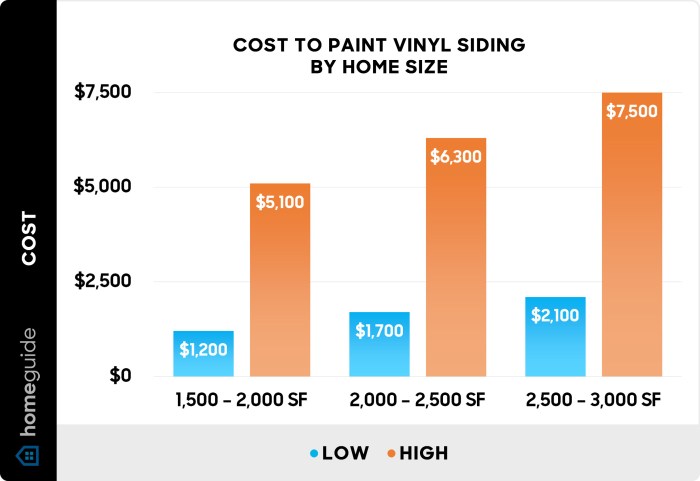
In the construction industry, labor costs for vinyl siding can vary significantly depending on the region. Factors such as urban versus rural areas, geographical location, climate, and demand play a crucial role in determining these costs
Labor costs in urban versus rural areas
In urban areas, where the cost of living is typically higher, labor rates for vinyl siding installation tend to be more expensive compared to rural areas. This is often due to higher overhead costs, such as rent and utilities, which contractors need to cover in urban settings.
Variations based on geographical location
Geographical location also plays a significant role in determining labor costs for vinyl siding. For example, labor rates may be higher in regions with stringent building codes or where skilled labor is in high demand. Conversely, areas with lower demand or a surplus of labor may have lower labor costs.
Impact of climate and weather conditions
Climate and weather conditions can also impact labor costs for vinyl siding installation. In regions with extreme weather conditions, such as heavy rainfall or snow, contractors may need to take extra precautions or work more slowly, leading to higher labor costs.
Conversely, in areas with mild weather conditions, labor costs may be lower.
Differences in high-demand versus low-demand areas
Labor costs for vinyl siding can vary significantly between high-demand and low-demand areas. In high-demand areas where construction projects are booming, contractors may charge higher rates due to increased competition for skilled labor. On the other hand, in low-demand areas where construction activity is slower, contractors may offer more competitive pricing to attract customers.
Strategies to reduce labor costs for vinyl siding installation
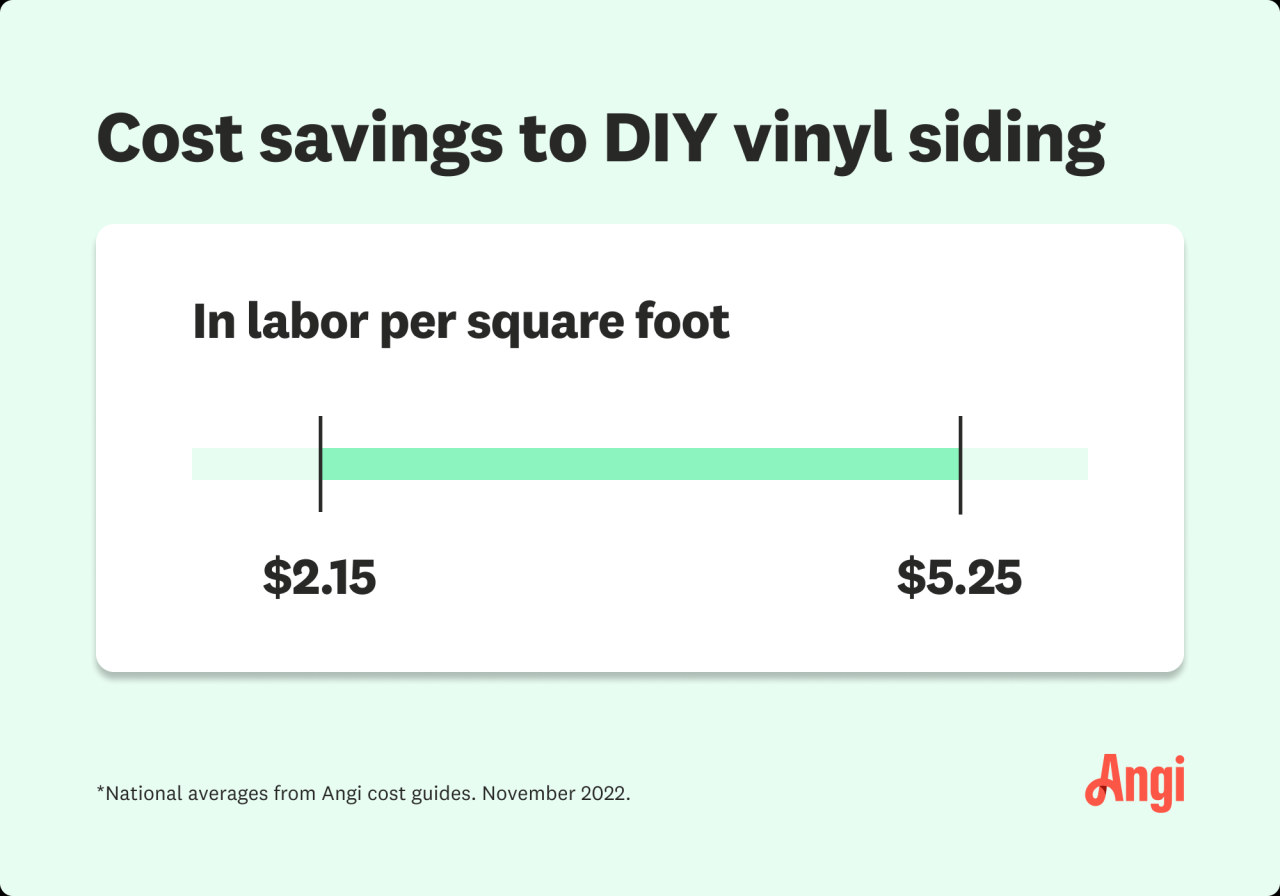
Reducing labor costs for vinyl siding installation can significantly impact the overall project budget. By implementing certain strategies, contractors can optimize their processes and minimize expenses. Here are some effective ways to reduce labor costs:
Tips for efficient project planning to minimize labor expenses
- Plan the project timeline carefully to avoid delays that may result in additional labor hours.
- Coordinate material deliveries to ensure smooth workflow and prevent idle time for workers.
- Optimize the use of equipment and tools to increase efficiency and reduce labor hours.
Benefits of using technology to streamline labor processes
- Utilize project management software to track progress, allocate resources effectively, and identify potential bottlenecks.
- Implement digital tools for measurements and cutting to minimize errors and speed up the installation process.
- Explore automation options for repetitive tasks to free up labor for more complex activities.
Insights on how proper training and supervision can reduce labor costs
- Invest in training programs to improve the skills of your workforce and enhance productivity.
- Assign experienced supervisors to oversee the project and provide guidance to workers, ensuring optimal performance.
- Regularly review and adjust training protocols to keep up with industry standards and best practices.
Cost-effective alternatives to traditional labor practices
- Consider subcontracting certain tasks to specialized professionals to save time and resources.
- Explore the use of prefabricated components or panels to reduce on-site labor requirements.
- Collaborate with suppliers to negotiate bulk discounts or favorable pricing terms, lowering overall project costs.
Wrap-Up
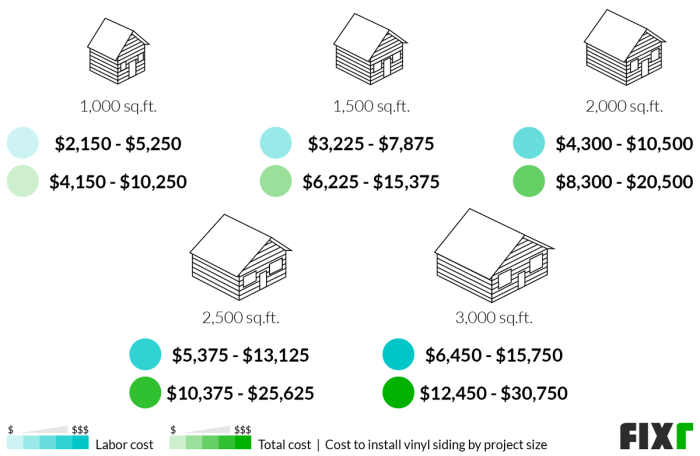
In essence, labor costs for vinyl siding are a dynamic interplay of multiple variables, each contributing to the final bill in unique ways. By understanding the nuances of labor expenses and exploring strategies to optimize costs, homeowners can embark on their siding projects with confidence and clarity.
As you venture into the realm of vinyl siding labor costs, armed with knowledge and insights, may your renovation journey be both fulfilling and cost-effective.
FAQ
How does the size of the project affect labor costs?
The larger the project, the more labor required, leading to higher costs.
How are labor rates calculated in the industry?
Labor rates are typically determined based on factors like demand, experience, and regional norms.
Are there variations in labor costs for vinyl siding based on geographical location?
Yes, labor costs can vary significantly depending on whether you're in an urban or rural area.
What are some cost-effective alternatives to traditional labor practices?
Using technology and efficient planning can help reduce labor costs without compromising quality.